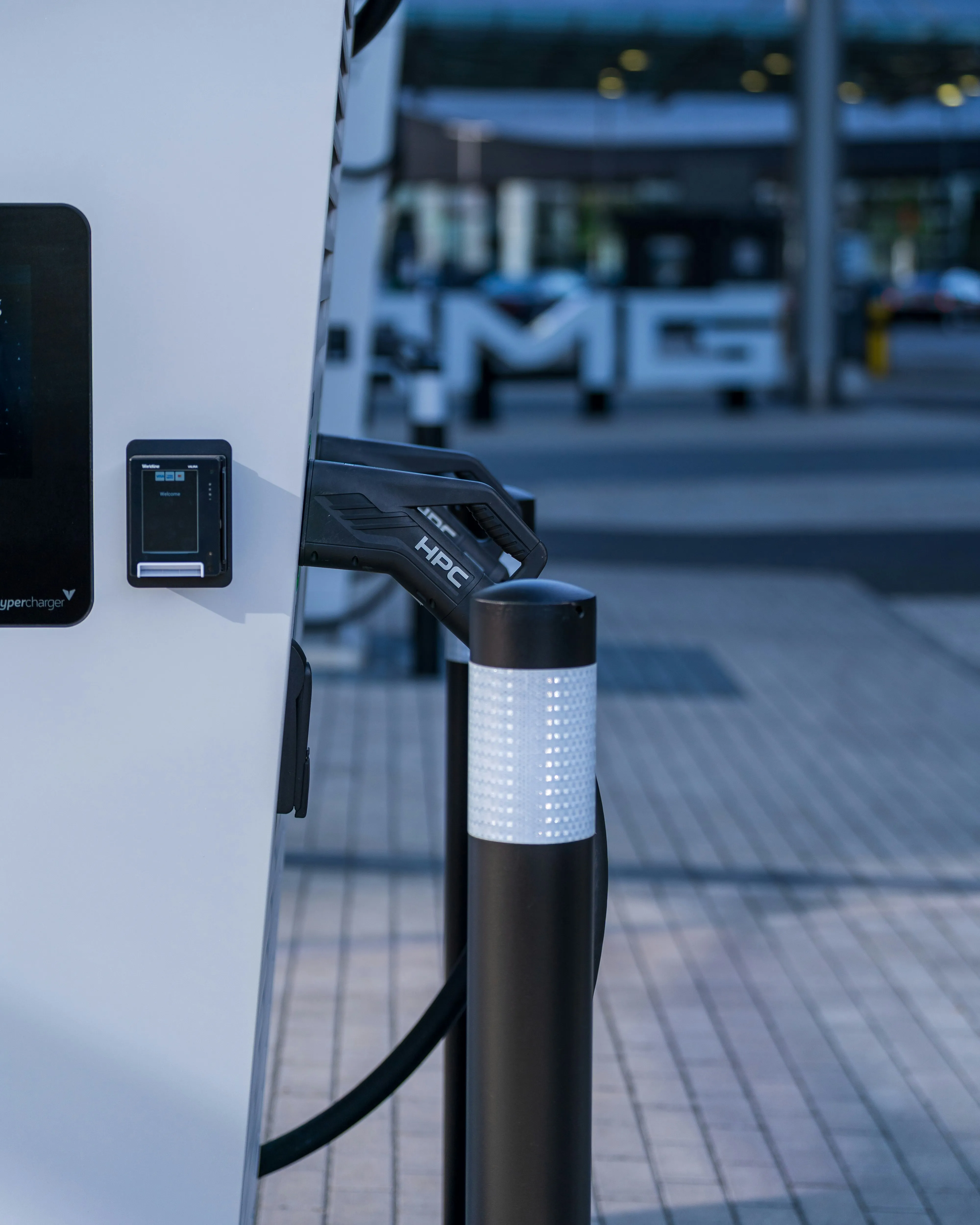
Quick answer: never let an EV get towed with a standard wheel-lift truck — insist on flatbed towing to protect the drivetrain, and tell dispatch it’s electric before the truck is sent.
Electric vehicles are common enough now around Mauldin and the rest of the Golden Strip that we get regular calls for them, and they are different enough under the hood, or under the floor, in an EV’s case, that towing one the way you would tow a gas car can cause real damage. If you drive an EV, or you are thinking about buying one, here is what actually changes when it comes to breaking down and getting towed.
Key Takeaways
- Never let an EV go on a wheel-lift truck — insist on flatbed towing to protect the motor and battery management system.
- Tell dispatch it’s electric before the truck is sent so the right equipment goes out on the first call.
- A fully depleted EV battery has no roadside fix like fuel delivery — the only option is a tow to a charger.
- Classic and heavily modified cars need the same flatbed treatment, just for frame and suspension reasons instead of drivetrain ones.
Why you cannot just wheel-lift an EV
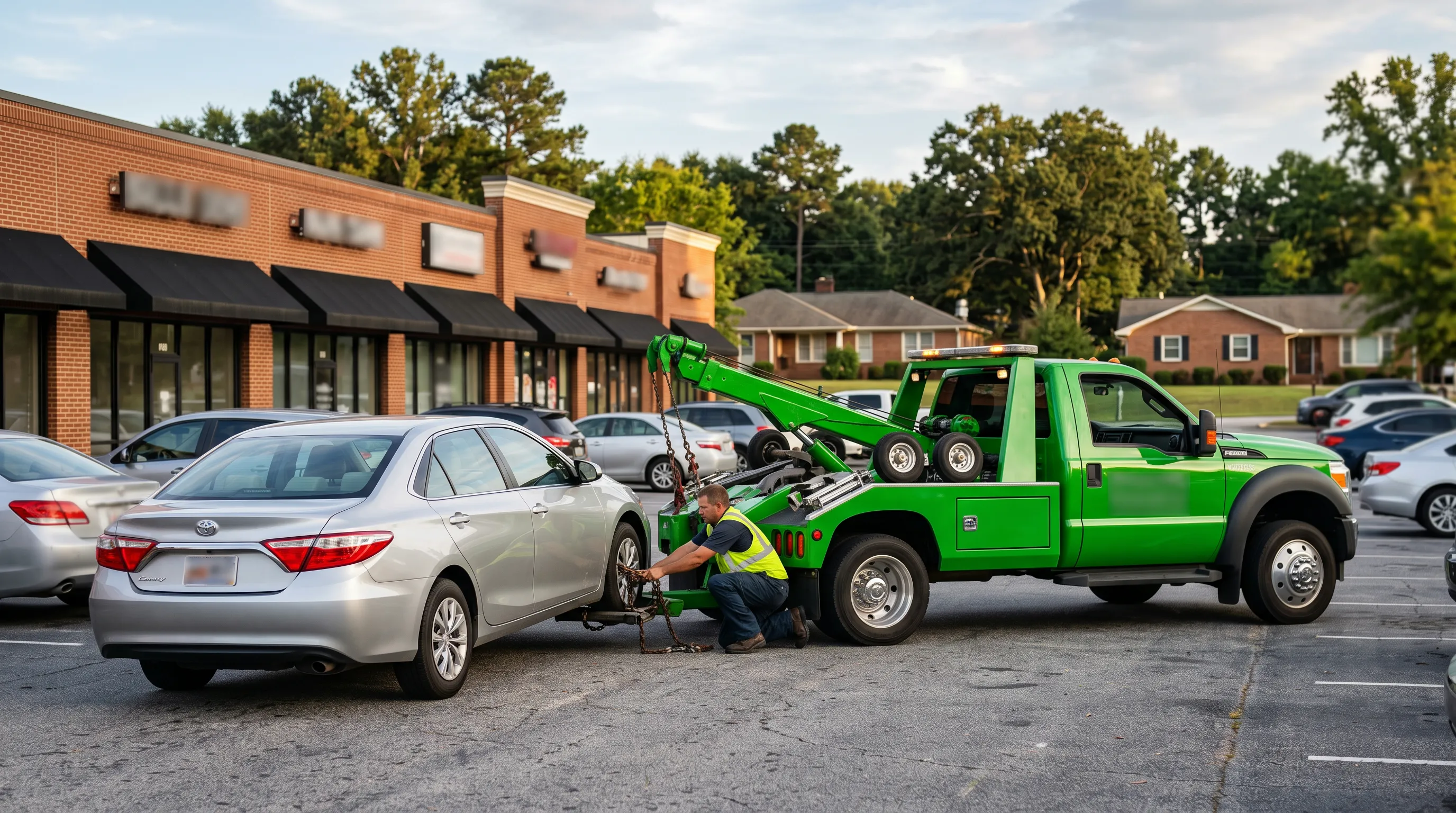
A standard wheel-lift tow drags two wheels along the ground while the other two roll freely, which works fine on most gas-powered vehicles with a traditional drivetrain that can be safely disengaged. Many electric vehicles use motors integrated directly into the wheel hubs or axles, without the kind of mechanical disconnect a gas transmission has, which means towing with the drive wheels on the ground can spin the electric motor and generate current with nowhere to go, potentially damaging the motor or the battery management system. Manufacturers are explicit about this in owner’s manuals for a reason.
This is exactly why our flatbed towing service exists as the default recommendation for EVs, not just an option. A flatbed carries the entire vehicle off the ground, so there is no question about which wheels can safely roll and which cannot. If you drive an EV and need a tow for any reason, tell dispatch up front that it is electric, this changes what truck gets sent before it ever becomes an issue at the roadside.
Range anxiety breakdowns are their own category
Beyond drivetrain damage prevention, EVs create a call pattern gas vehicles simply do not: the vehicle that runs out of charge entirely, mid-trip, somewhere between a home charger and a public charging station. Unlike a gas car, there is no gas can equivalent you can carry to the roadside and pour in. Once an EV’s battery is fully depleted, the only real fix on site is a tow to the nearest charger or back home, there is no fast partial fix comparable to fuel delivery for a gas car.
If you are new to EV ownership, or you are driving one on a longer trip through the Golden Strip corridor between Mauldin, Simpsonville, and Greenville, planning your charging stops with a real buffer matters more than it does with a gas tank, since the fallback if you misjudge it is a flatbed tow rather than a five-minute roadside top-off.
Classic and modified cars need the same flatbed logic, for different reasons
EVs are not the only vehicles where a standard tow can cause damage. Classic cars, lowered vehicles, and heavily modified cars around Mauldin face a related but different problem: low ground clearance, aftermarket suspension components not built for the stress of a wheel-lift tow, or drivetrain configurations that were never designed with towing in mind because the vehicle predates modern towing standards entirely. A classic car’s frame or bumper mounts, in particular, are frequently not rated for the kind of pulling force a wheel-lift applies, since they were engineered decades before that towing method became common.
The fix is the same one used for EVs: a flatbed carries the vehicle instead of dragging it, whether the concern is a fragile 1960s frame, a lowered car that would scrape or bottom out during loading with the wrong equipment, or a modern EV motor that should never spin freely under tow.
Frequently asked questions
Can a tow truck jump-start or charge my EV at the roadside? No. A fully depleted EV battery has no roadside fix like fuel delivery, the only real option is a tow to the nearest charger or back home. That’s why flatbed towing is how we get it there.
Will towing my EV with a standard truck damage it? It can. A wheel-lift truck drags two wheels along the ground, which can spin an EV’s motor and generate current with nowhere to go, potentially damaging the motor or the battery management system. Insist on flatbed towing and tell dispatch it’s electric before the truck is sent.
Does a classic or modified car need the same treatment as an EV? Yes, for different reasons. Low ground clearance, aftermarket suspension, and frames never rated for wheel-lift pulling force all mean the same flatbed approach protects the vehicle, whether the concern is a fragile decades-old frame or a modern EV motor.
What should I tell dispatch if I’m not sure my car qualifies? Mention the vehicle type and anything unusual, electric, lowered, heavily modified, or notably old, and we’ll send a flatbed if there’s any question. That one detail up front decides whether the right truck goes out on the first call.
What to tell dispatch for any of these vehicles
If you drive an EV, a classic car, or a modified vehicle, the single most useful thing you can tell us when you call is exactly that, up front, before we dispatch a truck. Mention the vehicle type, whether it is electric, and anything unusual about its ride height or modifications. That one detail is what determines whether a flatbed goes out on the first call or whether we have to reroute a standard truck after the fact, which only adds time to a situation that is usually already stressful.
Why this matters more here than it used to
As EV adoption grows across the Golden Strip and more Mauldin drivers own or are considering an electric vehicle, towing calls involving them are only going to become more common, not less. The good news is that the solution is not complicated, it is the same flatbed equipment we already use for AWD vehicles and low-clearance cars, just applied for a different underlying reason. Whether your vehicle runs on electricity, a decades-old carburetor, or a heavily customized suspension, the same principle protects it: never assume a standard tow is safe just because it has always worked for every other car you have owned.