Quick answer: after a wreck on I-385 or I-85 near Mauldin, get safe first, call 911, document the scene if it’s safe to do so, then call for accident recovery towing — in that order.
A wreck on I-385 or I-85 near Mauldin puts you in the middle of fast highway traffic at the exact moment you are least prepared to think clearly. Adrenaline narrows your focus, and it is easy to do things out of order, moving a vehicle before it is documented, or forgetting to call for a tow until well after the more urgent steps are handled. Here is the order that actually protects you, both physically and for the insurance claim that follows.
Key Takeaways
- Get vehicles out of live lanes onto the shoulder or an exit ramp before doing anything else, if it’s safe to move.
- Call 911 even for a minor fender-bender — the police report matters for your claim.
- Photograph damage, positions, and plates before anything gets moved, if it’s safe to do so.
- Collision-damaged vehicles need accident recovery towing, not a routine tow.
- Keep the police report number, tow receipt, and photos together before filing your claim.
Step one: get safe before you do anything else
If you and everyone else involved are physically able to move, and the vehicles are drivable, get them onto the shoulder or, if possible, past the shoulder entirely to a nearby exit ramp or frontage area. I-385 and I-85 around Mauldin carry serious speed and volume, and a stopped vehicle in a live lane is one of the most dangerous places you can be after a wreck. If a vehicle cannot be moved safely or someone is injured, stay put, turn on hazards, and wait for responders rather than risking further injury trying to relocate a car that will not cooperate.
Step two: call 911 before you call anyone else
Even for what looks like a minor fender-bender, get law enforcement involved on an interstate. A police report matters for your insurance claim, and having officers on scene to manage traffic around the wreck protects everyone still working through the aftermath, including the tow truck that will eventually need to access the scene safely.
Step three: document before anything gets moved, if it is safe to do so
Once you and everyone else are safe, and only if it does not put you in further danger, take photos of vehicle positions, damage, license plates, and the general scene before any vehicle is moved or towed. Insurance adjusters rely heavily on this documentation, and it is far easier to capture in the moments right after the wreck than to reconstruct later from memory. If the scene is too dangerous to safely photograph, do not risk it, the police report and tow company’s notes can partially fill that gap.
Step four: call for accident recovery, not just any tow
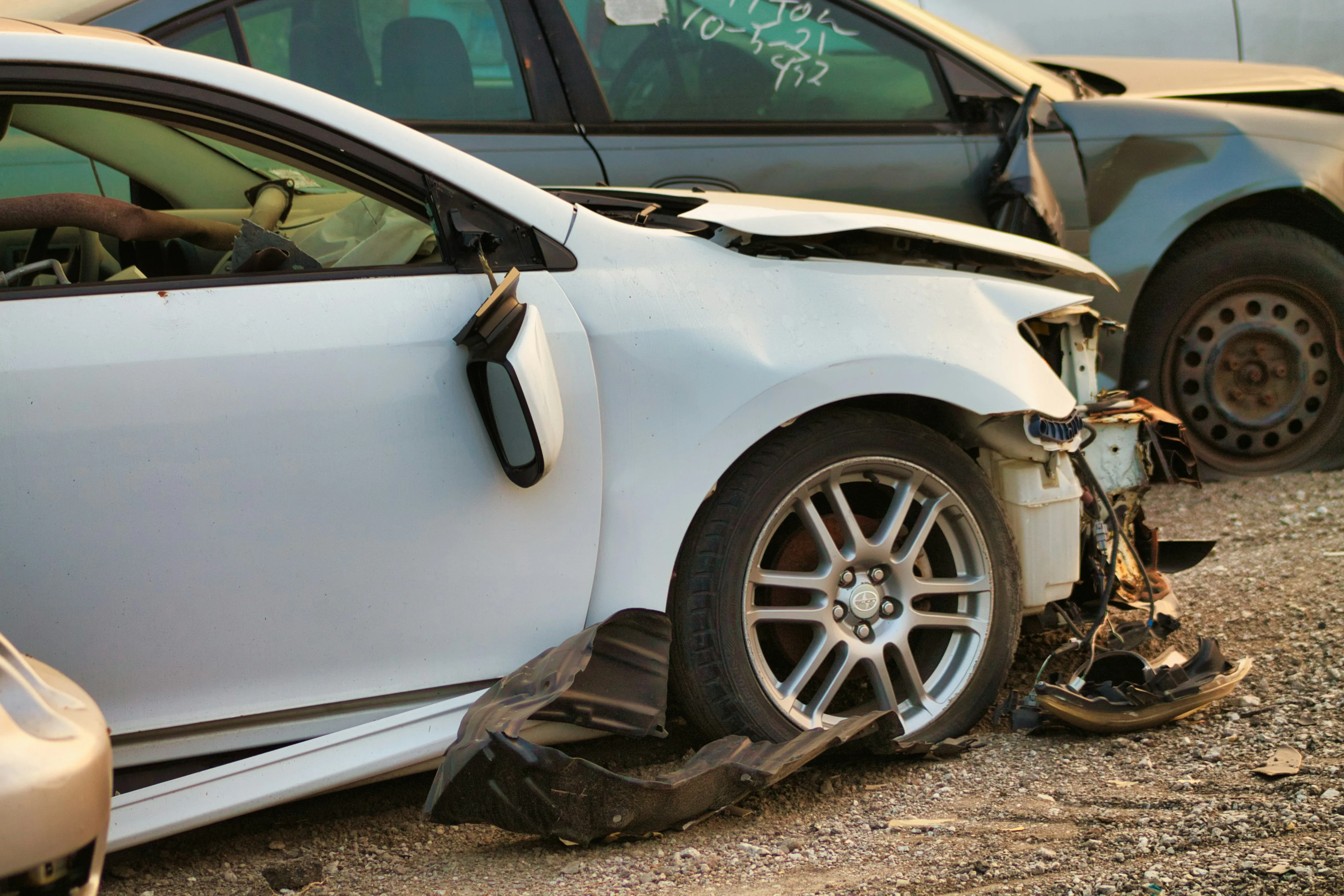
Collision-damaged vehicles need a different kind of handling than a routine breakdown. Our accident recovery service is built specifically for this: careful assessment of how the vehicle is positioned and what recovery method it actually needs, coordination with the responding officers so the vehicle is not moved before it should be, and a clean handoff to your insurance-approved shop or a secure storage lot afterward. Tell dispatch as much detail as you can, roughly where you are on I-385 or I-85, which direction you were traveling, and whether the vehicle is still drivable, since that shapes what equipment gets sent.
Step five: decide where the vehicle goes next
You generally have the right to choose where your vehicle is towed after a wreck, whether that is a specific repair shop, a dealership, or secure storage while you sort out next steps with your insurer. Tell us the destination when you call, or let us know if you have not decided yet, we can hold the vehicle at a secure lot until you have made that call rather than defaulting somewhere inconvenient.
What to expect from us on scene
Our operators are trained to work calmly around an active accident scene, which on I-385 or I-85 means coordinating with officers managing traffic, waiting for the all-clear before recovery begins, and handling collision-damaged vehicles without causing further harm to a car that may already be barely holding together. We understand this is one of the more stressful calls a driver makes, and we treat the pace of the interaction accordingly, we are not rushing you through paperwork while you are still shaken from the wreck.
The insurance side, briefly
Keep a copy of the police report number, the tow receipt, and your photos together, ideally in one place, before you file your claim. Adjusters move faster with a complete package than with pieces trickling in over several days, and having the tow documentation ready alongside your photos and the police report shortens that whole process considerably.
A wreck on either interstate near Mauldin is disorienting by design, it happens fast, somewhere you were not expecting it, surrounded by traffic that does not slow down just because you did. Working through these five steps in order, safety, police, documentation, recovery, destination, keeps you from having to make hard decisions out of sequence while you are still catching your breath.
Frequently asked questions
Do I really need to call 911 for a minor fender-bender? Yes. Even a small fender-bender on I-385 or I-85 needs a police report for your insurance claim, and officers on scene help manage traffic around the wreck while it’s cleared.
Can I choose where my car gets towed after a wreck? Yes. You generally have the right to pick the destination, a repair shop, a dealership, or secure storage while you sort things out with your insurer. Tell us when you call, or let us know if you haven’t decided yet.
Is it safe to take photos before the tow arrives? Only if it doesn’t put you in more danger. Photograph vehicle positions, damage, and plates before anything gets moved if the scene allows it, if it’s too dangerous, the police report and our on-scene notes can partially fill that gap.
What if my car isn’t drivable after the wreck? That’s exactly what accident recovery towing handles, careful assessment of how it’s positioned, coordination with responding officers, and a clean handoff to your shop or a secure lot. Tell dispatch which direction you were traveling and whether the vehicle can move, that shapes what equipment gets sent.
What to tell dispatch when you call
Give us roughly where you are on I-385 or I-85 and which direction you were traveling, that’s often more useful on a highway than a street address. Let us know if the vehicle is still drivable and whether you’ve decided where it should go, a shop, a dealership, or secure storage while you sort things out. Dispatch runs 24 hours a day, every day of the year, so a wreck at 2 a.m. gets the same response as one in daylight.